Silent Panic Alarm
A one-touch or single-action silent alarm that staff can activate without alerting an intruder or causing panic among students.
Silent panic alarms. Direct law enforcement notification. Planned for your school communications system.
In memory of Alyssa Alhadeff (2003–2018)
Alyssa was 14 years old when she was killed in the February 14, 2018 shooting at Marjory Stoneman Douglas High School in Parkland, Florida. Her mother, Lori Alhadeff, became a New Jersey state assemblywoman and championed the legislation that bears her daughter's name — requiring silent panic alarms in every public school.
Alyssa's Law was enacted following the 2018 mass shooting at Marjory Stoneman Douglas High School in Parkland, Florida, where Alyssa Alhadeff lost her life. The law requires public K–12 schools to install silent panic alarm systems that directly and immediately notify local law enforcement — bypassing delays caused by manual 911 dialing or administrative relay.
Federal Momentum
The federal Alyssa's Law Act has been introduced in the U.S. Congress to extend silent panic alarm requirements to all public K–12 schools nationwide, conditioning federal school safety funding on compliance. As of 2025, 10 states have enacted Alyssa's Law and 16 additional states have pending legislation — representing a clear national trajectory toward universal adoption.
Every second counts
Silent panic alarms eliminate the delay of manual 911 dialing — dispatching responders the instant a threat is detected.
Proposed roadmap: a future capability we'd build with Lightspeed. Not available today.
 Ep3 Emergency Response (via Lightspeed Cascadia)Standby
CAMPUS FLOOR PLAN — BUILDING A
System ready
Animations are illustrative only and do not represent live system activity or real-time performance.
State Adoption Status
As of 202510
Enacted
16
Pending
26
Total Active
Enacted
Pending Legislation
Source: SafeSchoolOS.com state tracker, 2025. Federal Alyssa's Law Act introduced in Congress to extend requirements nationwide.
Compliance Requirements
A one-touch or single-action silent alarm that staff can activate without alerting an intruder or causing panic among students.
The alarm must route directly to local law enforcement dispatch — not through a third party, front office, or manual relay.
Key school personnel — administrators, security staff, and designated responders — must be notified at the same time as law enforcement.
The alarm must transmit the precise location of the activation — building, floor, and room — to responders immediately.
The panic alarm system must be tested regularly and maintained to ensure it functions when needed most.
Systems should integrate with existing communications infrastructure to minimize cost and complexity for districts.
How Ep3 Supports Response
A teacher or staff member presses a dedicated panic button — on a SIP phone, soft client, or integrated device — with a single action.
The alarm triggers an immediate, silent SIP emergency call to local law enforcement dispatch with no manual dialing required.
Ep3 sends precise dispatchable location — building, wing, room number — to responders so they arrive at the right place immediately.
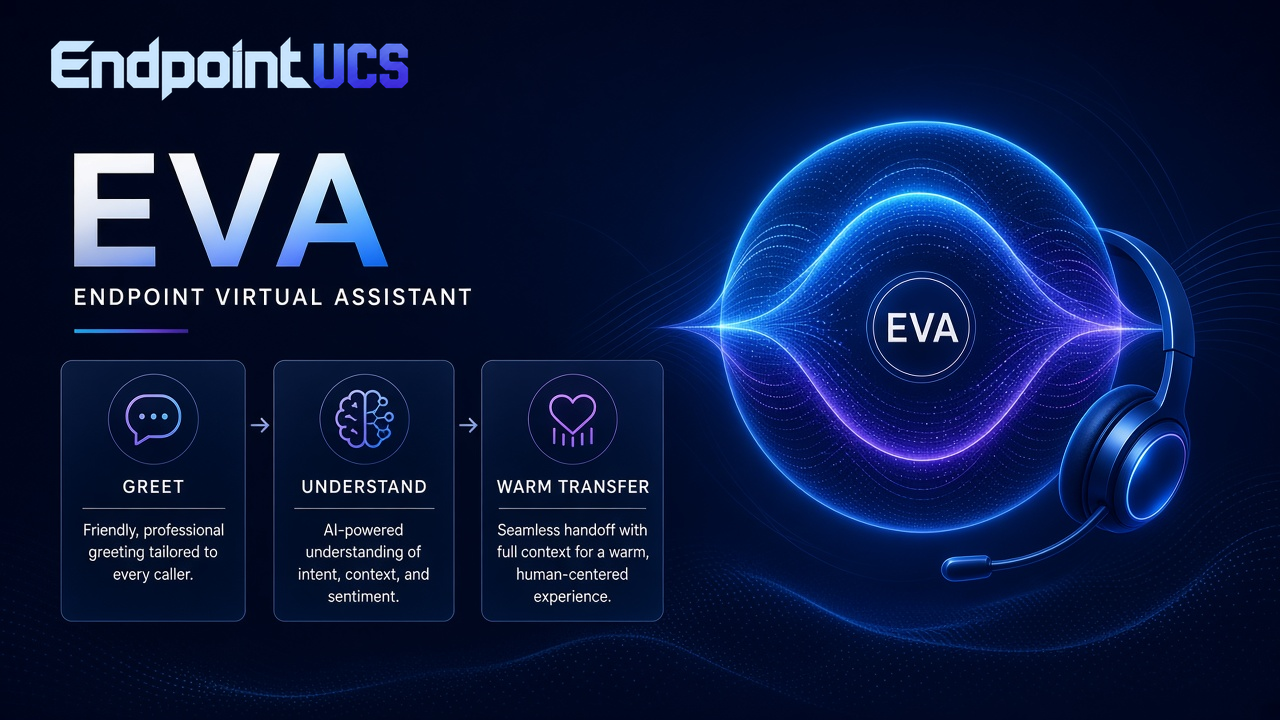
Administrators, security staff, and designated responders receive simultaneous silent alerts via paging, SIP notification, or EVA-assisted broadcast.
Ep3 can trigger automated campus-wide paging announcements and door-lock integrations to initiate lockdown protocols instantly.
Proposed roadmap: a future capability we'd build with Lightspeed. Not available today.
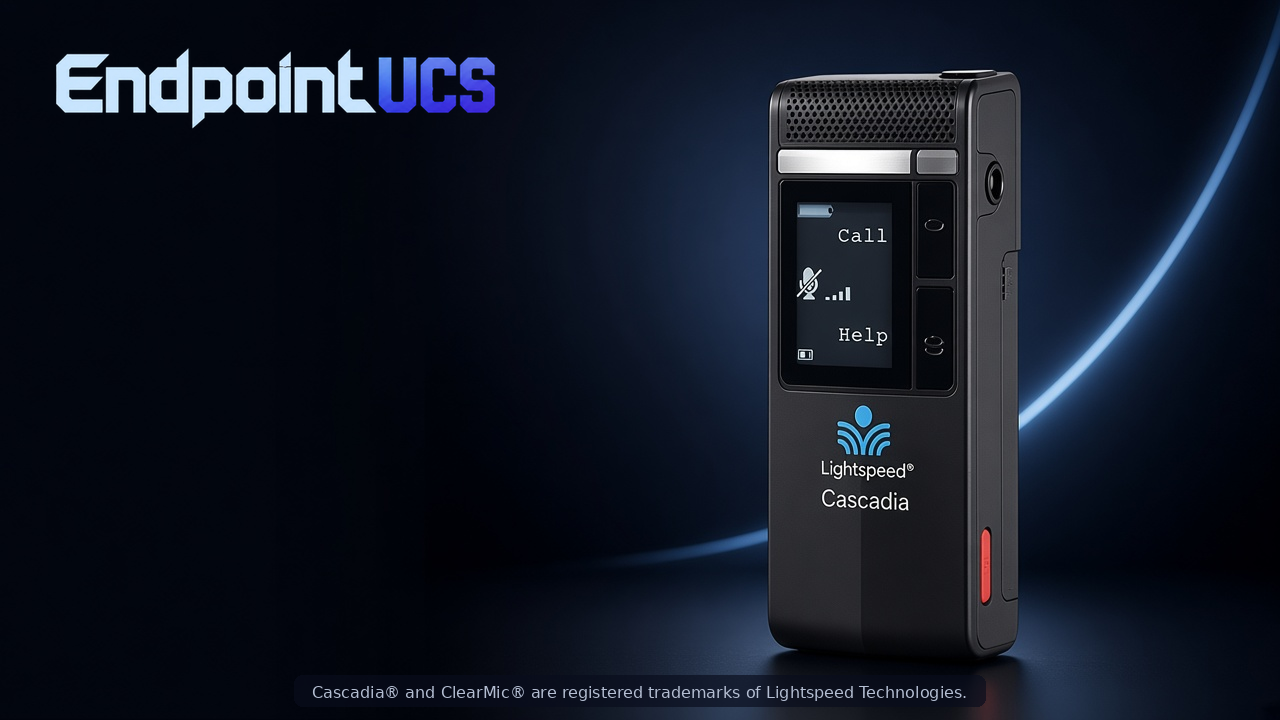
The Lightspeed Cascadia is a teacher-worn wireless microphone system designed for classroom audio — but its integration with Ep3 transforms it into a front-line emergency response device. A single button press on the Cascadia mic is designed to trigger a silent panic alarm through Ep3, routing directly to 911 dispatch and simultaneously alerting school administrators — all without the teacher leaving the room or reaching for a phone (future capability; not available today).
Why Cascadia + Ep3 is the right answer for Alyssa's Law
Most panic alarm solutions require staff to reach a wall-mounted button, a desk phone, or a separate device — precious seconds lost in an active threat situation. The Cascadia mic is already on the teacher's body, every minute of every school day. Ep3 is designed to extend that wearable into campus calling with no additional hardware required in the classroom.
Wearable form factor
Worn by teachers throughout the school day — no reaching for a wall button or desk phone
Single-button activation (planned)
One press triggers the silent alarm — no unlock, no menu, no delay
Wireless range
Operates throughout the classroom and hallway without line-of-sight to a base station
Ep3 SIP integration
A single pre-set call path from Cascadia today; direct registration, provisioning and emergency routing are on the proposed roadmap.
Trademark notice: Ep3 is built to work with Lightspeed Cascadia and Clearmike classroom audio systems. Lightspeed, Cascadia, Topcat Cascadia, C25 Cascadia and Clearmike are trademarks of Lightspeed Technologies, Inc. All other product names, logos and trademarks are the property of their respective owners.
Ep3 Safety Features
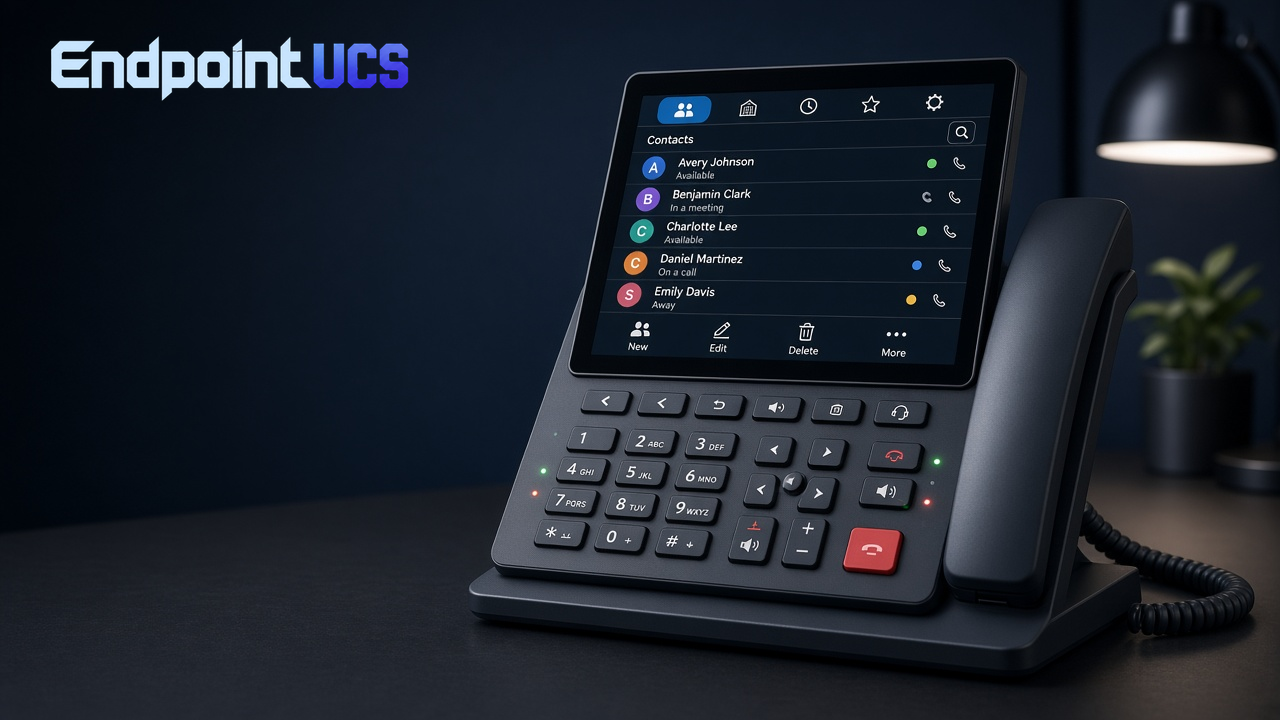
Dedicated panic button on every SIP desk phone and soft client — no separate hardware required.
Silent alarm calls route directly to local PSAP with no intermediary delay, designed to support the direct-notification requirement.
Precise room-level location transmitted with every alarm activation, supporting dispatchable location requirements.
Overhead paging, SIP alerts, and EVA-assisted notifications reach all designated personnel the moment an alarm is triggered.
Works with Lightspeed Cascadia through a single pre-set call path today.
Compliance with Alyssa's Law, Kari's Law and Ray Baum's Act is the responsibility of each district and depends on its full setup. Endpoint UCS products support, and do not replace, established safety policies.
Devices, features & services
Endpoint UCS Cloud ConnectedBringing existing phones to Ep3?
Check auto-provisioning support or get any standard SIP device manually configured.
Check device compatibilityOur K–12 communications specialists will assess your current infrastructure and design an Ep3 deployment — at no obligation.